
Electrical services
BMO Electric
A clear home for a broad electrical service offering.
Explore the website ↗Small business websites
A small business website needs to make a few things easy: understand what you offer, see whether it fits, and get in touch. It also needs to fit the time and resources you have to maintain it. MAP SEO Company can scope an Orlando small business website around your priority services, real customer questions, and a straightforward structure that can grow when there is a good reason to expand.
Selected website portfolio
Website work from Waheed Zen’s portfolio, shared here under MAP SEO Company.
A clear home for a broad electrical service offering.
Explore the website ↗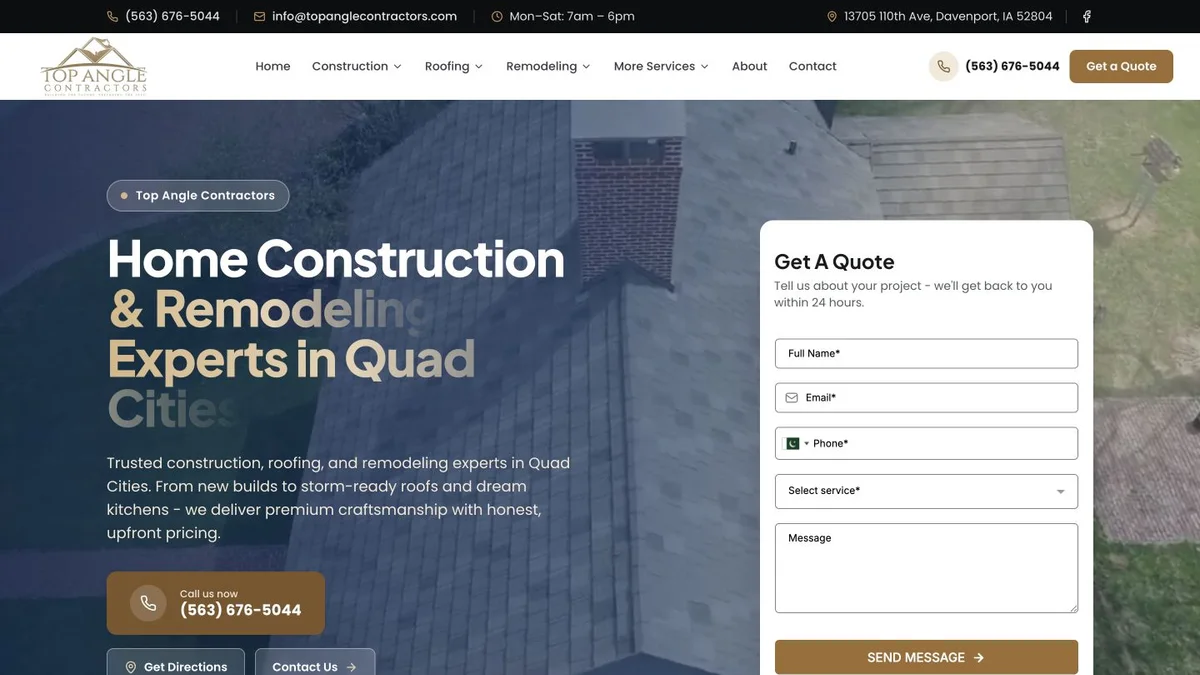
One contractor brand. Several clear project journeys.
Explore the website ↗Start with the services that matter most to the business. A focused launch might include a home page, individual service pages, an accurate about page, and a contact page. Additional pages should earn their place by answering a distinct question or supporting a real offering.
The home page introduces the business and directs visitors. Service pages explain scope and fit. The contact page sets expectations for an inquiry. Keeping those jobs clear helps prevent a small site from becoming a collection of repetitive pages that are difficult to navigate.
People comparing providers need specifics. Describe who a service is for, what information you need to begin, what the work can include, and what happens after contact. Explain specialist terms when a customer would not naturally use them.
Trust content should come from the actual business. That may include owner-approved photographs, a clear description of how work is handled, or customer feedback you have permission to publish. If those materials are unavailable, use useful explanation instead of invented testimonials, project counts, or credentials.
A phone visitor should be able to read the offer, open the menu, and complete the next step without fighting the page. Simple layouts, readable text, appropriately sized images, and clear form labels all support that experience.
A simple HTML and CSS build can suit a business that values a lightweight website and does not need a complex publishing system. The choice should also consider who will make updates. Agree whether edits will be handled through a maintenance arrangement, documented source files, or a separately scoped editing tool.
The handoff should make ownership and responsibilities understandable. Confirm the domain, hosting access, website files, contact destinations, and the process for requesting changes. Make sure someone at the business can respond to the inquiries the site is designed to generate.
Future additions should follow actual demand. Search queries, sales conversations, and repeated customer questions can reveal where a new service page or guide would help. Track relevant inquiries and completed contact actions alongside search performance so growth is judged by business usefulness as well as traffic.
There is no useful fixed number. Start with enough pages to explain your actual services and help customers contact you. Add pages when they serve a distinct purpose and can contain genuinely useful information.
Yes. A planned navigation structure and reusable page styles can support additional services or resources. Each addition still needs original content, appropriate internal links, and a review before publication.
Prepare your service list, target customers, approved business details, preferred contact process, and any usable photographs or brand assets. Flag any domain, hosting, or account access that still needs to be recovered.
Start with a conversation
Talk with MAP SEO Company about your business, your market and your next step.
Or call (407) 930-9646